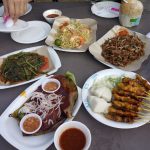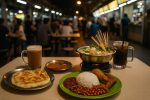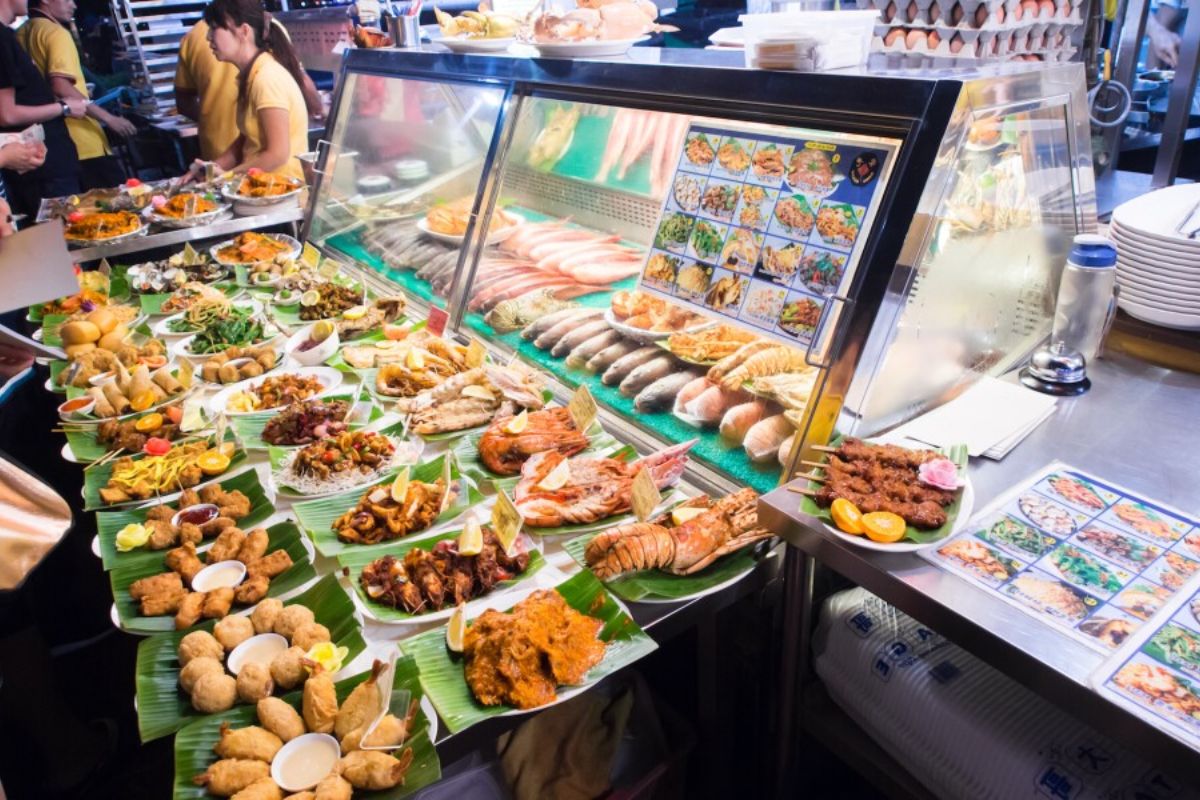
Hawker centres run on rhythms that locals read without thinking. Plates clink, fans hum, and queues rise and fall in predictable waves. If you arrive at the wrong moment, the same centre can feel cramped, noisy, and a bit stressful. Turn up at the right time, and it feels like you have unlocked the place, the food is at its best, seating is easier, and stall owners are not rushed. Timing does not just change queue length, it changes the whole experience.
For visitors, the first challenge is getting oriented. Singapore is efficient, but meal peaks here are sharp. Office lunch crowds appear quickly and disappear just as fast. Some stalls sell out early and close without fuss. Others open late and run strong into the night. Checking the time in Singapore before you set off helps you plan around these waves, especially if you are coming from a different time zone and your hunger clock is still adjusting.
Styled Summary, Timing in One Glance
- Morning feels calm, breakfast stalls are strongest, seating is easy
- Late morning brings full variety without the lunch squeeze
- Weekday lunch is fastest and busiest, arrive early or go later
- Afternoon is quiet but some stalls close once items run out
- Evening varies by neighbourhood, some centres wake up at night
How Daily Rhythms Shape Hawker Centre Timing
Hawker centres are not restaurants with fixed sittings. Many stalls are family operations built around prep cycles. Ingredients are bought early. Stocks and broths simmer for hours. Dumplings get wrapped in batches. Rice is steamed in big runs. Once a key ingredient is gone, the stall may close even if the centre is still open. That is why a centre can look open on paper while your target stall has already called it a day.
Another factor is who the centre serves. A city centre hawker spot follows office routines. It gets slammed at lunch, then drops off quickly. A heartland centre often has steadier foot traffic, with smaller spikes and more evening families. Tourist heavy centres can have long peaks that stretch later. The result is simple, the best time is not one universal hour, it depends on the centre and the kind of meal you want.
A practical way to think about timing is to choose your priority. Is it shorter queues? Is it better seating? Is it the maximum stall variety? Is it catching a famous stall before it sells out? Once you pick the priority, the timing choices become obvious.
Morning Windows That Reward Early Risers
From about 7.30am to 9.30am, many hawker centres feel surprisingly relaxed. Breakfast stalls are fully warmed up. Kopi and teh orders move fast. Noodle soups taste fresh because they were built from early simmering. This is also when you can watch stall routines, toppings laid out neatly, stock pots bubbling, cooks moving with steady confidence rather than sprinting through a lunch line.
Morning is ideal if you want to avoid crowds and still get a real hawker atmosphere. You will see aunties with market bags, retirees reading the paper, and workers grabbing quick bites before the day starts. Even if you are not a breakfast person, a light plate plus a drink can set you up for the rest of your itinerary without feeling heavy.
Morning strengths you can count on
- Faster ordering because queues are short and people know what they want
- More seating choice, especially at popular centres
- Food arrives quickly since kitchens are not overwhelmed
- Stall owners may be more open to small questions about menu items
Late Morning Is the Quiet Sweet Spot
Late morning is the timing sweet spot many locals quietly love. Think 10.30am to 11.45am. By then, most lunch stalls are open, but the peak crowd has not arrived. You get the best of both worlds, full menu variety and a calmer pace. If you want to sample more than one dish, this is the window where you can move between stalls without feeling rushed or boxed in by queues.
This is also a good time for visitors who are planning around attractions. You can eat an early lunch, then head to museums, markets, or neighbourhood walks while others are still queuing. It also helps if you are travelling with kids or older relatives who prefer easier seating and shorter standing time.
If you are choosing between early lunch and late lunch, early usually wins. You get the stall at its full inventory level. By late lunch, some popular items may already be gone, especially dishes that rely on a fixed batch size.
Lunch Rush Realities and How to Work Around Them
Weekday lunch is intense. The main rush generally runs from 12pm to 1.30pm, but the spike can be even tighter in business districts. Queues can jump from five people to thirty in minutes. Seating becomes competitive. Some stalls experience a second wave closer to 1pm as office schedules flex. If you plan to eat at lunch peak, assume it will take longer than you think.
There are two easy strategies. The first is to arrive before noon, order early, then sit down while the crowd builds. The second is to arrive after 1.15pm, when the first wave has cleared but many stalls still have stock. Both work. The worst time is the middle, when everyone shows up at once and you end up standing around with a tray and no table.
If you are coordinating a group, timing can get messy fast. Someone wanders. Someone queues at the wrong stall. Someone sits at a table too far away. A simple countdown timer helps keep the group aligned. Agree on a meeting point, set a clear arrival countdown, then order in pairs. It reduces stress and keeps the meal feeling fun rather than chaotic.
| Time Block | Crowd Level | What You Gain | What You Trade Off |
|---|---|---|---|
| 7.30am to 9.30am | Low | Calm vibe, easy seating | Some lunch stalls not open yet |
| 10.30am to 11.45am | Low to medium | Full variety, manageable queues | Not all supper stalls are active |
| 12pm to 1.30pm | High | Best chance to catch famous stalls mid service | Long queues, harder seating |
| 2pm to 4pm | Low | Space, quieter photos, slow kopi | Some stalls closed or sold out |
Afternoons Offer Space but Limited Choice
From about 2pm to 4pm, many hawker centres soften. The lunch crowd has cleared. Cleaning crews move through. You can hear individual conversations again. If you want to take a breather between activities, this is an easy time to stop in. You can get drinks, desserts, or a late lunch from stalls that run longer hours.
The trade off is choice. Popular lunch stalls may have closed after selling out their main batch. If you arrive expecting a specific dish, you may be disappointed. Treat afternoon as a flexible snack window rather than a must have target meal. It is also a good moment for people who dislike standing in lines, as even busy centres feel open and airy.
Evening Patterns Depend on Location
Dinner behaviour changes by neighbourhood. Residential centres often build from 6pm to 8pm as families finish work and school. Some areas have a strong supper culture and stay lively later. Other centres fade in the evening because the stalls were built around lunch traffic. That is why it helps to think of dinner as location based rather than generic.
Evenings can also be more social. Groups share tables. Friends meet after work. You will see people staying longer, especially if they are ordering zi char or grilled items. The energy feels different from lunch, less rushed, more lingering.
If you want a centre that is known for breadth and variety, a place like Old Airport Road Food Centre can be rewarding in the evening. Arriving closer to 6pm gives you a better chance of catching popular stalls before family peaks. Arriving later can still work, but you risk missing specific items that sell out early.
Weekend Timing Requires Extra Patience
Weekends compress demand. Breakfast runs later because people sleep in. Lunch crowds arrive earlier because families plan day outings. Popular stalls can sell out quickly, and queues can feel longer because groups move more slowly. The same centre that feels breezy on a Tuesday can feel packed on Saturday.
If you want to keep weekends comfortable, arrive earlier than you think you need to. For lunch, that can mean 11.15am instead of 12pm. For dinner, that can mean 5.45pm instead of 7pm. If you are meeting friends, pick a clear seating zone and take turns ordering, rather than everyone queuing separately and losing track of each other.
Simple Meal Timing Plan You Can Reuse
1) Choose your centre based on your meal goal, breakfast noodles, lunch classics, or a relaxed dinner.
2) Arrive 20 to 30 minutes before the peak wave for that centre, it makes everything easier.
3) Queue first, then find seats, one person can hold a table while others order.
4) Order drinks after you have food plans, it keeps ice from melting while you wait.
5) Once you see stalls packing up, shift your plan, do desserts, kopi, or head to the next stop.
Why Hawker Timing Feels Different From Restaurants
Hawker centres are built around daily life, not reservations. The best stalls often follow a practical rule, sell what you can make well, then stop. That approach keeps quality steady, but it also means timing is part of the deal. If you want a famous chicken rice stall, it is smart to go earlier. If you want to wander and sample, late morning gives you breathing room.
This timing culture is also part of what makes hawker centres feel authentic. You are seeing a place that serves the community at real meal hours, with real constraints and real rhythms. The hawker centre overview gives helpful context on how these spaces developed around everyday routines rather than formal service schedules.
Choosing Moments That Feel Right
The best hawker visit is not just about chasing one famous dish. It is about how the meal fits your day. It is about eating without tension, tasting food at its peak, and having enough space to enjoy it. If you plan lightly and respect the natural peaks, you get a better version of the same centre.
Aim for late morning when you want variety and calm. Go early for breakfast classics. Avoid the sharpest lunch peak unless you are prepared to wait. Treat afternoons as a flexible break. Pick dinner based on neighbourhood energy. Do that, and hawker centres will feel less like a challenge and more like a welcoming routine you can drop into anytime.